
My new monthly method means these lists should be more comprehensive, while also making end-of-year compiling less tedious.
No numbers here, but a rough rundown of the best episodic things I saw in the last 12 months, getting better as you progress to the end.
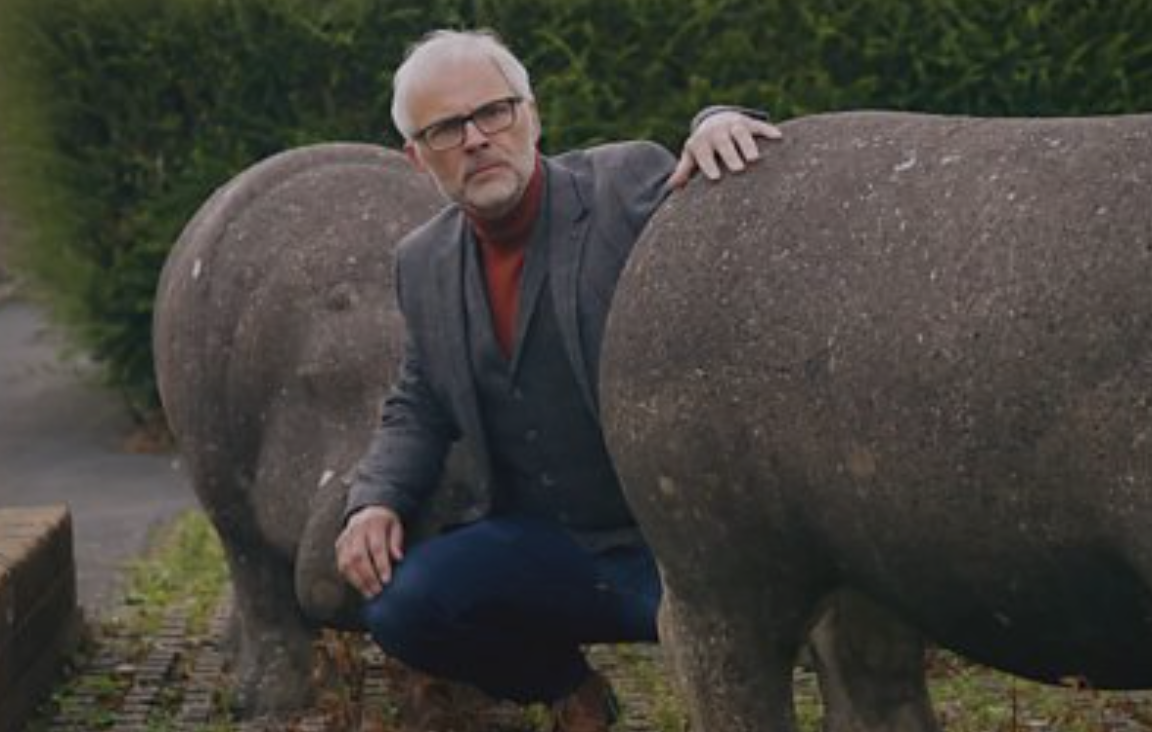
Meet You at the Hippos
This follows Mark Bonnar, a fine and funny actor, as he tries his hand at presenting factual programming. He’s taken on the subject of the public art commissioned to enliven Scotland’s new towns like East Kilbride, Livingston and Cumbernauld - because his father was one of those artists tasked with creating said sculptures. Stan Bonnar built the titular concrete hippos in Glenrothes, which are among the more cuddly works, while some of the others he tours are a lot more abstract and divisive. Mark does a fine job of taking the piss out of art and history documentaries, with some odd little flourishes making what is a very niche subject into something very watchable.
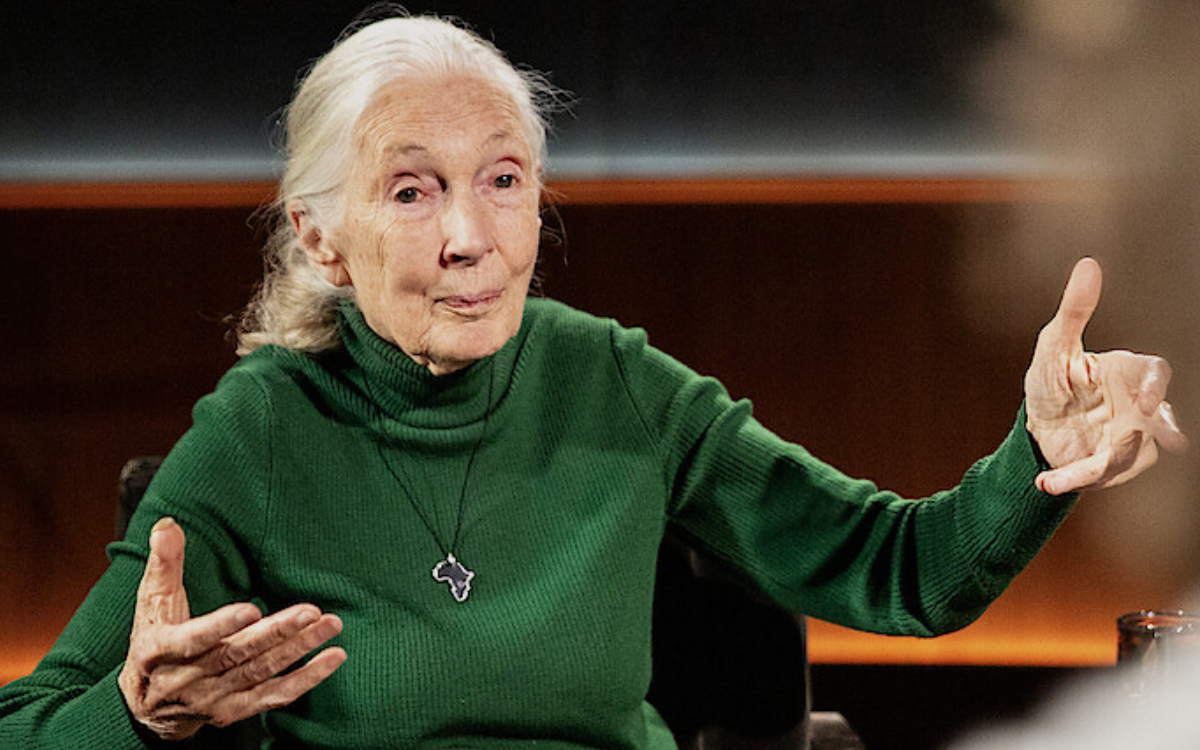
Jane Goodall’s Famous Last Words
Interviewing someone on the agreement that it will only be shown after their death is quite a unique concept and maybe one that will catch on - I’d be interested in hearing the uncensored final opinions from some of the more rambunctious slebs on the scene. Jane certainly nails a perfectly clip-able and well-shared soundbite about wanting to send Musk, Trump, Putin and Netanyahu off to Mars, but perhaps more intriguing are her marital admissions and musings on spirituality. She’s an impressive lady and her - literally - final monologue, while a little rambling, is hopefully inspiring to those she’s urging to carry on her mission to save the planet.
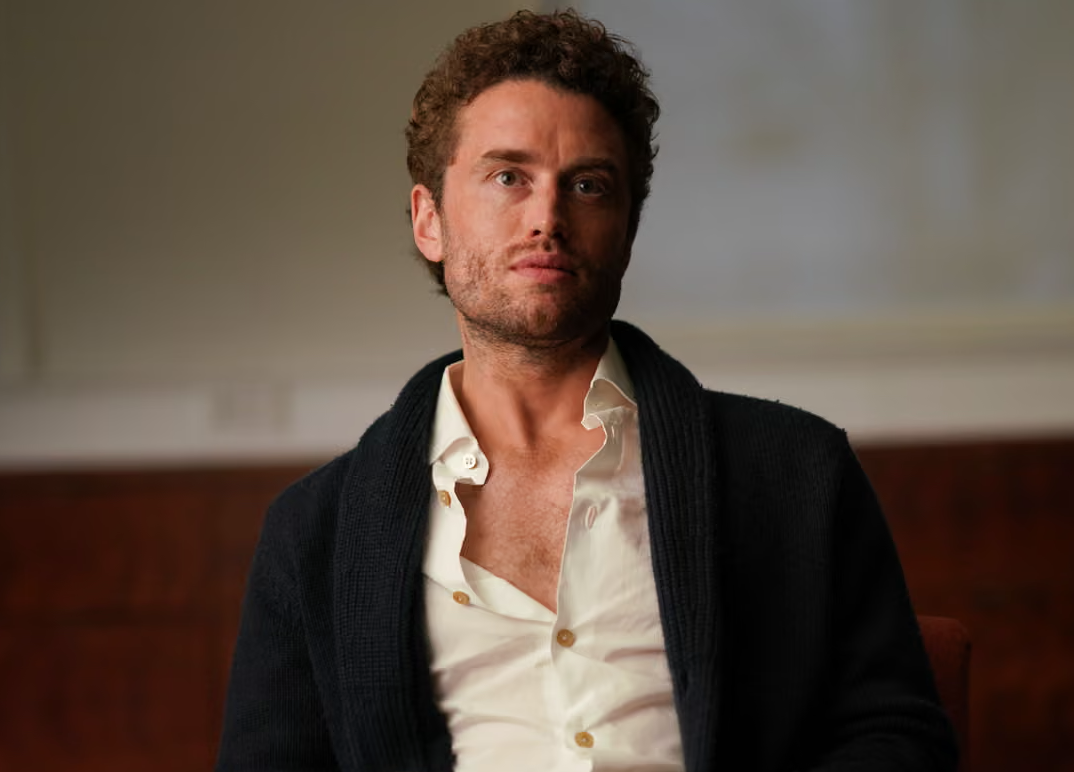
The Great Art Fraud
A fine two-parter explaining the rise and fall of Inigo Philbrick; an upstart art dealer backed by the boss of the White Cube galleries, who flew too close to the sun. To be clear, the guy is a prime prick - annoying accent, unbuttoned shirt, undeserved sense of self confidence - but then it does seem like pretty much everyone in the industry is somewhere on the spectrum of arsehole. Of course this makes his fraud folly all the more enjoyable to see - in excruciating detail - while raising serious questions about the lack of transparency in these supposed investments.
Similar/honourable mention: AKA Charlie Sheen
A long overdue sit-down with the remarkably long-sober and apparently cogent actor. Given most of the latter controversy was live-streamed or covered intensively, some of the most interesting stuff came early on when recounting his interesting childhood. There’s a fair bit of foreshadowing, but in the first of several deviations from the usual ‘star goes off the rails’ theme, his upbringing - while unconventional - seems full of love and happiness. Unsurprisingly, given his nepo-credentials, his career really took off quickly and the classic combo of inflated ego, plenty of money and the ability to largely get away with things, had predictable outcomes. I still don’t understand how he’s alive, sober and looking so good, but fair play for charming his way back into the zeitgeist once again. That does come with its annoyances though, as while the whole thing is portrayed as no-holes-barred truth telling - with the big reveal being he’s had sex with some men - it neatly glosses over the many accusations of domestic violence, restraining orders and lack of proper parenting.

Covid Contracts: Follow the Money
Many journalists, lawyers, campaigners and whistle-blowing civil servants have done fine work in the last five years to expose the monumental mismanagement of the UK Government’s pandemic PPE and lateral flow test procurement programme. This programme does a good job of rounding all that up and straightforwardly presenting the infuriating corruption of the VIP lane, which let already rich Conservative Party pals get even richer, making huge profit margins on often unusable equipment - especially when genuine UK- based PPE specialists were trying to supply, but via the normal channels. While the Coronavirus crisis was genuinely unprecedented and some margin for error could be forgiven, the sheer cost to the taxpayer is just staggering.
Similar/honourable mention: The Piper Alpha Story
I don’t watch things like aeroplane crash programmes because I know they’ll fuel irrational thoughts on long flights, but I’m pretty certain I’m never going on an oil and gas platform, so I figured this was a safe space. But then how anyone went to work on one in the aftermath of this is beyond me. Only 61 of a crew of 226 survived and frankly it’s amazing that many people got off alive, when you see and hear what they went through. This is a rightfully-rigorous bit of telly and I’m glad that the Cullen report into the tragedy didn’t pull its punches, as it’s at least heartening to know that nothing near a similar scale has happened in the North Sea since.
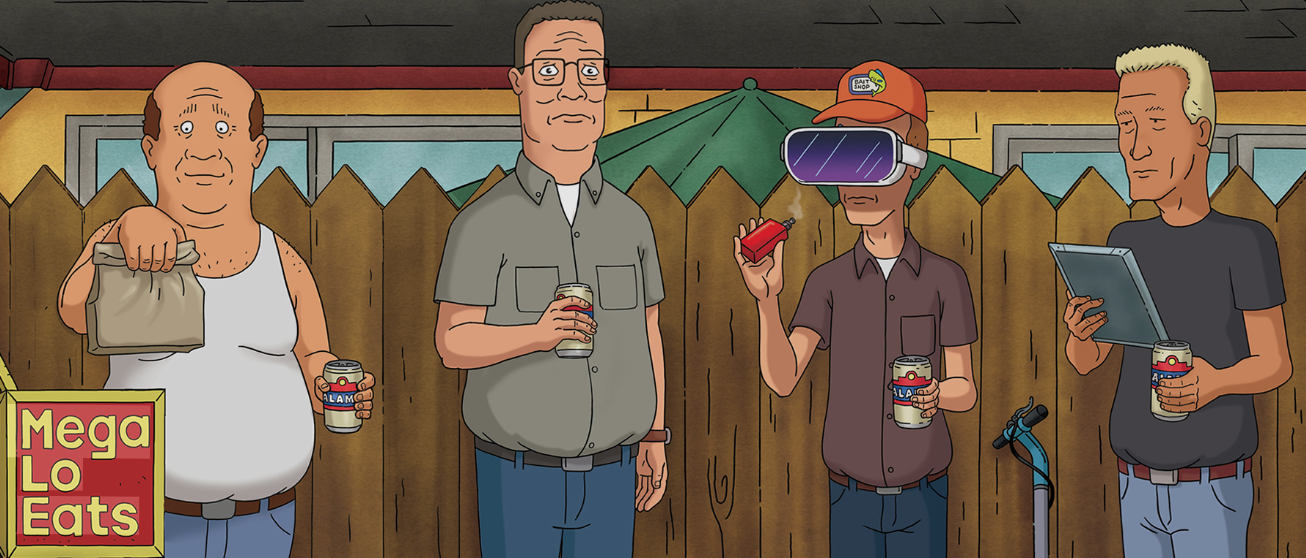
King of the Hill
Back after 15 years away, it shows how much I watched the original run that I can’t really remember how it finished, but this 14th season sees Hank and Peggy Hill returning from a stint selling propane in Saudi Arabia, to a Texas they barely recognise. It’s gently amusing in the way I quite fondly remember, with plenty of subtle (and sometimes not so subtle) references to modern America, judging the critical line quite well between the ‘woke left’ and right-wing republicanism pretty shrewdly.
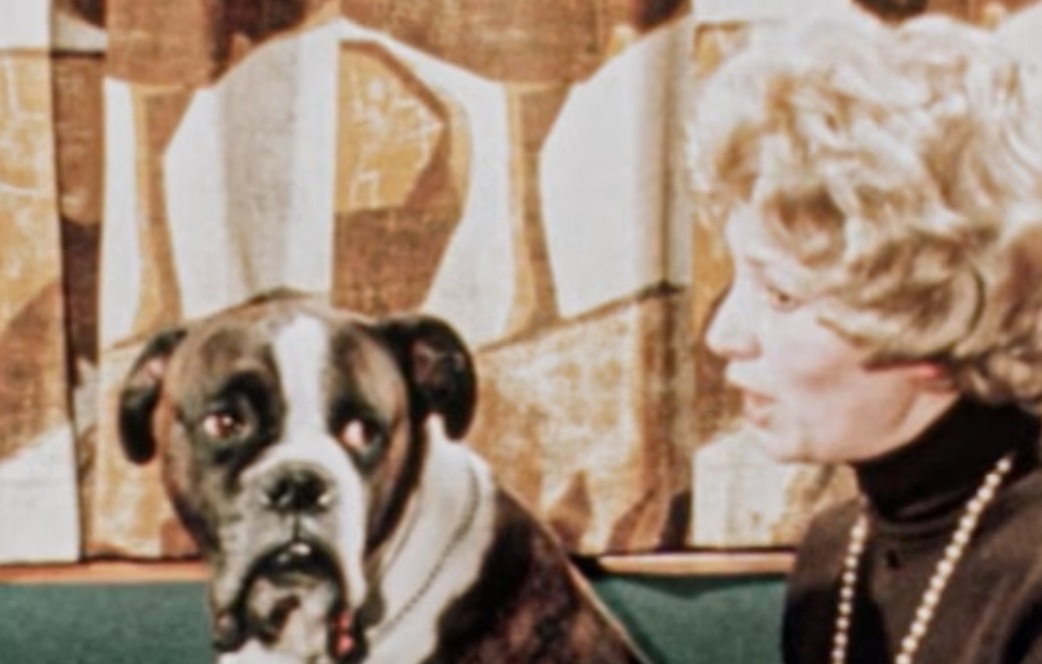
Shifty
Adam Curtis is back trawling the BBC archive, piecing together another factually wobbly collage of odd moments from the not-too-distant past. The topic is pretty standard fare, focusing on the UK at the end of the 20th century. Cue much Maggie Thatcher, miner’s strikes, deregulated City boys and bleak housing estates. He makes a compelling - if not journalistically rigorous - case for the failure of monetarism, the rise of individualism and the collapse of British exceptionalism. But as ever, the best bits are strange snapshots taken from news footage: a sex changing boxer dog, a provincial Elvis impersonator and a factory stuffing giraffes, to mention but a few. Exasperatingly you never get nearly enough time or context with these bits, but then I’ve found it’s best to just sit back and let his works wash over you.
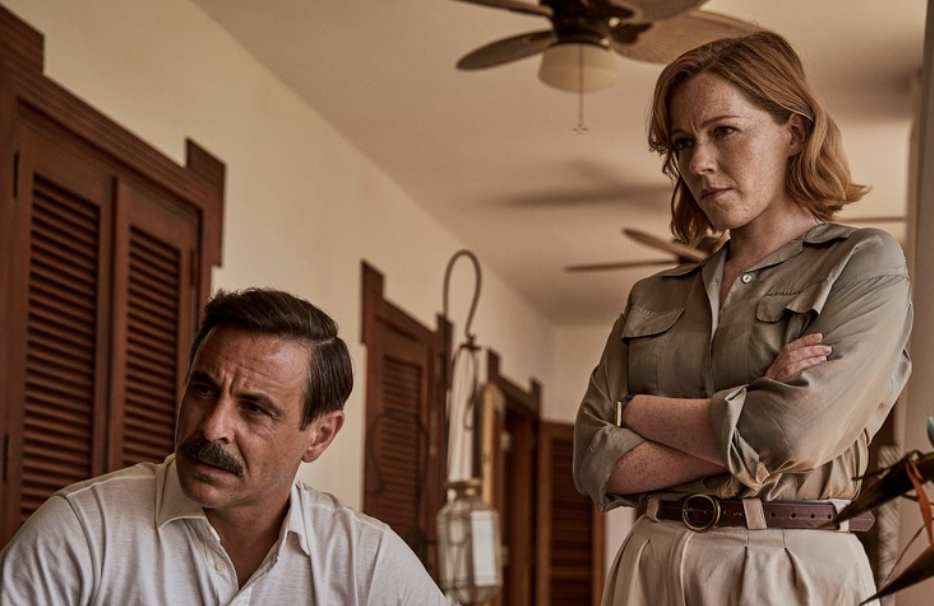
The Gold
The second series of this real life-ish crime drama is not quite as easy-going, but similarly well put together, as the first, which chrted the Brinks Mat robbery and subsequent hunt for the record-breaking amount of stolen gold bars. Superbly written by Neil Forsyth, this run of episodes has a lot less to work with in terms of agreed facts - with the disclaimer at the start admitting some characters are amalgamations and storylines are based on popular conspiracy theories. No matter though, as the scripts are superb, the performances pitch-perfect and the plot well-paced.
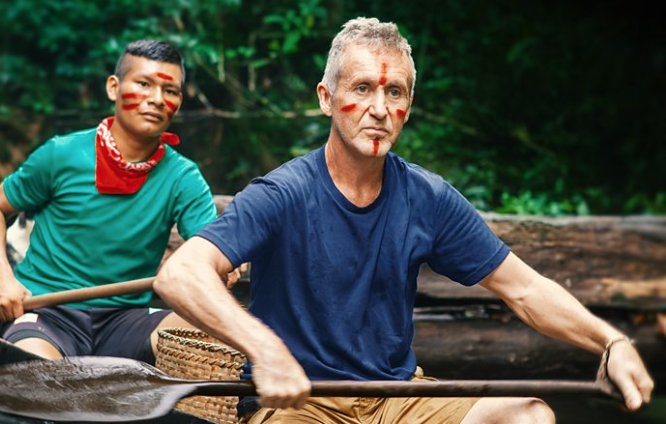
Tribe
Bruce Parry, the former Royal Marines commando, turned indigenous rights activist and explorer, certainly isn’t reinventing the formula here. As per, his team has managed to get access to three more remote tribes, to which he gradually endears himself to by helping out, learning the ways of life and getting involved in rituals. I think the first episode was my favourite, as it ticked all the boxes: smiling through the consumption of questionable local delicacies, earnestly listening to their beliefs and plight, theorising about how one with nature they are (and we aren’t), then taking some natural hallucinogens, chucking a massive whitey and eventually getting off his tits in a longhouse.
Similar/honourable mention: Scandinavia with Simon Reeve
A similarly amiable Englishman abroad, Simon’s latest project is something which on the face of it doesn’t seem nearly as challenging as previous exploits. Over three parts, he traverses Scandinavia, so rather than experiencing the usual ‘developing world’ poverty, corruption and conflict, instead examines what has turned these northern European countries into supposedly model societies. Prodding a bit deeper though, Reeve finds Russian war paranoia among the Finns, environmental guilt from Norway’s oil-financed sovereign wealth fund, a surprising amount of gang-related gun violence in Sweden, immigration integration issues in Denmark, and climate change-driven tectonic risks increasing in Iceland.
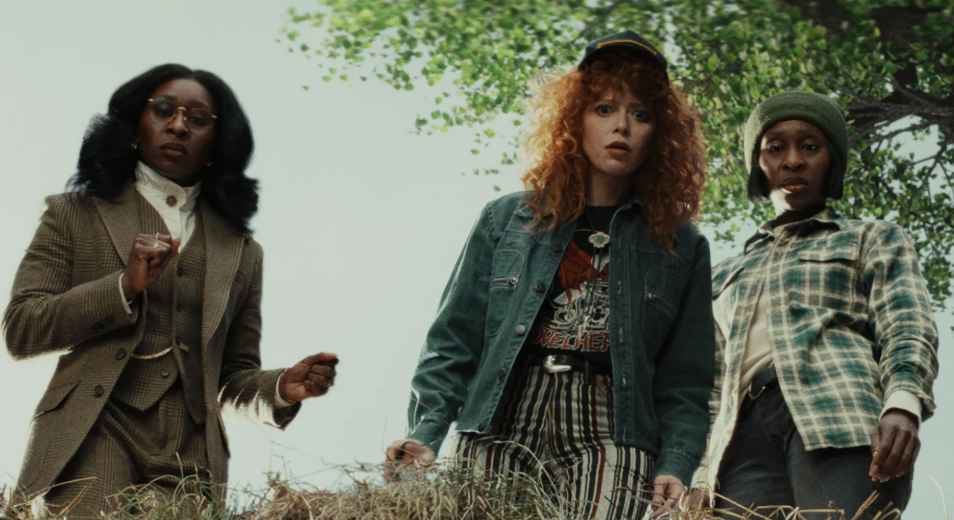
Poker Face
Where much on this list could be considered tough to watch, these set-piece, Columbo-style how-dunnits from the bullshit detector of the loveable Natasha Leonie, are just straightforwardly enjoyable. It’s a bit like Glass Onion in bite size form, with all the fun cameos and a lack of any great consequence or unpleasantness. Some are certainly more memorable than others and the second run of episodes lacks the overarching plot that the first benefitted from - but they’re all spinning a good yarn.
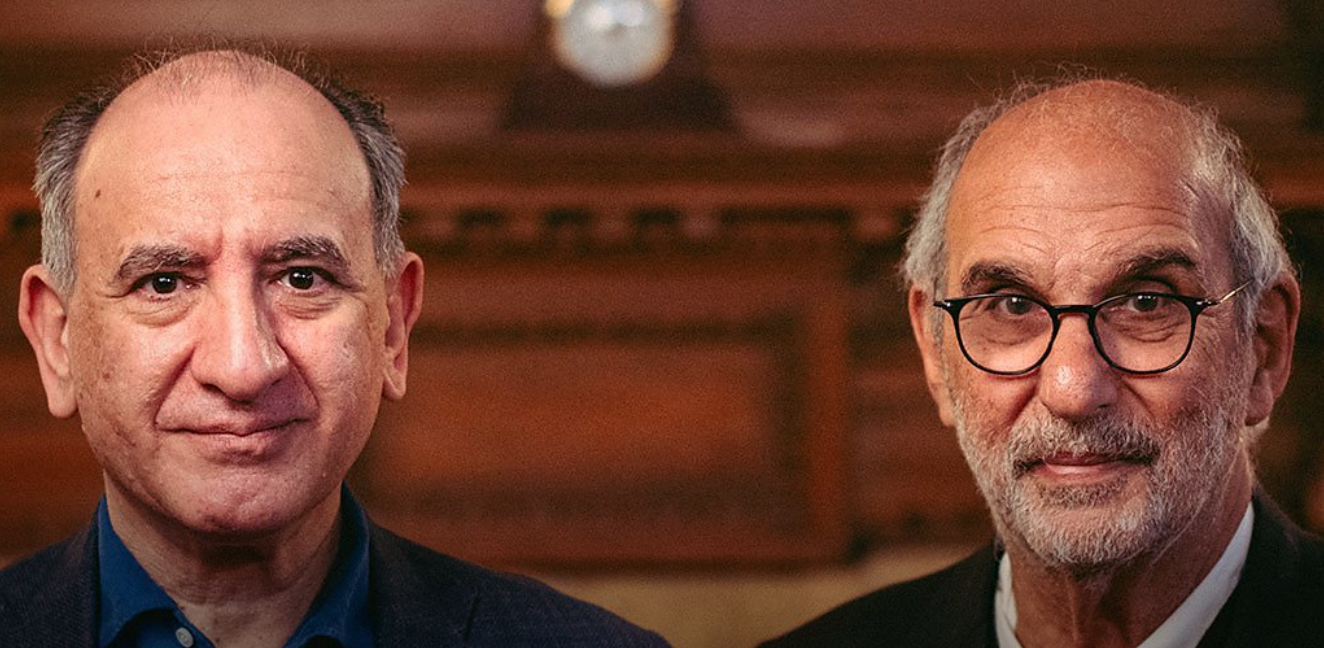
The Academy of Armando
One of Alan Yentob’s last on-screen appearances is this Imagine doc following Armando Iannucci around and surveying his career. What it reminds you is that he’s just never missed, 30 years on from his breakthrough with The Day Today. As the title alludes to, what’s really nice about him is how, over the course of making all these superb shows and movies, he’s brought in young talent and encouraged people to try other roles within the industry - with some spectacular results.
Similar/honourable mention: The Pet Shop Boys, Then and Now
I already love Neil Tennant and his Smash Hits sarcasm, but it was lovely to learn more about the more secretive, but equally hilarious other half, Chris Lowe. It’s daft to call them underrated after all these years and albums and tours and hits, but I still don’t think the duo get their dues, perhaps because they make pop music with synths, rather than rock with guitars.
And a quick mention for Sly Lives (aka the Burden of Black Genius), Questlove’s film about Sly and his Family Stone. Coinciding with his death this year, it’s a brilliant and often brutally honest portrayal of a man who, more than many, packed a lot into his life and musical career. As is often the way, it’s not all good, but such is the burden of someone that gifted.
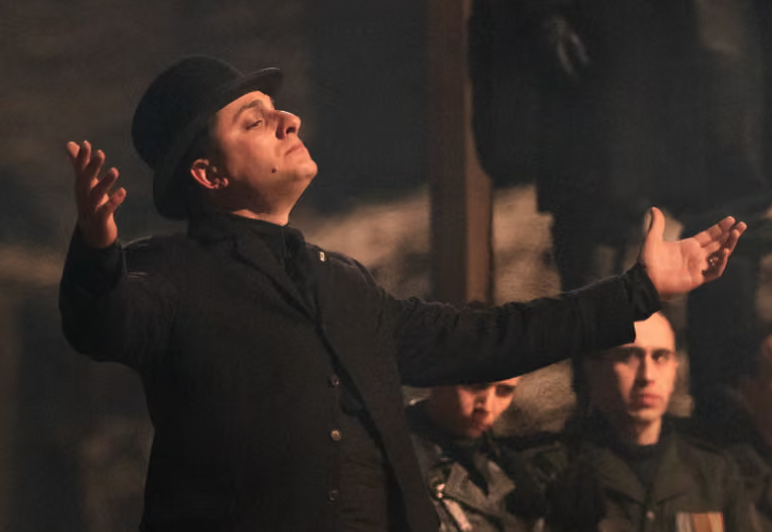
Mussolini: Son of the Century
Eight-episodes about the rise and fall of Il Duce doesn’t sound like pleasurable viewing, and to be honest, at times it really isn’t. However, this is directed by Joe Wright and soundtracked by Tom Rowlands, so it’s both visually inventive and sonically superb. There’s an impressive central performance from Luca Marinelli as the Italian fascist leader, with plenty of fourth wall breaking and gratuitous violence from his braying mob. The story is told with some artistic license, but it also acts as an interesting education for those less aware of this piece of work, who was only overshadowed by Adolf.

White Lotus
The prevailing feeling seemed to be that the third outing wasn’t quite as good as the first two, and the last episode didn’t feel entirely satisfactory. There were plot holes aplenty and it was annoying you didn’t get resolution to the Ratliff family storyline once they got their phones back, but it’s annoyingly compelling fare - a steamy soap with high production values, a-list actors and beautiful settings.

Alien:Earth
Noah Hawley’s attempt at doing for the franchise what he did for Fargo - namely turning a much loved movie into a compelling TV series. It’s surprising this hasn’t been done before, but the angle - evident in the title - is that a specimen-loaded research vessel has crashed back into earth, with search and rescue teams being picked off as they investigate. That side of it is pretty derivative if you’ve watched any of the previous chapters in the saga; what’s interesting is the story of dying children being mind-transferred across to super synthetic adult bodies and thrown in the mix. Also, the new creatures - particularly the one which takes up residence in a sheep - are superbly scary.
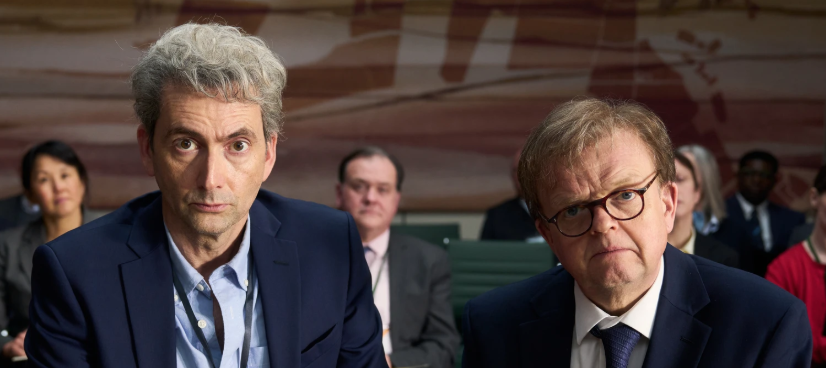
The Hack
David Tennant as Nick Davies and Toby Jones as Alan Rusbridger trying to give the phone hacking scandal the ITV drama treatment. It’s an important story, told in detail, but with a sense of humour wherever possible, some choice fourth wall breaking and star cameos to break up the unpleasantness of what happened. My misgivings about a not-particularly-action-packed start were proved wrong when the Dave Cook storyline became intertwined, and in the end it developed into a really impressive and important bit of work - giving the UK’s tabloid media another good kicking, even though those involved largely dodged any real repercussions.
Similar/honourable mention: The shooting of Jean Charles de Menezes
Another dramatisation of a recent scandal - and again well written - based on a comprehensive investigation into the case. What the actors do, which a documentary couldn’t, is bring to life the series of events which lead up to that poor man’s death. It is rightfully scathing of the many in the Met who were at fault prior to, during and after the event, but the programme does at least go some way to illustrating how just a few genuine mistakes, poor communications systems and perhaps understandably overzealous firearms officers, combined to cause this tragedy.
Squid Game
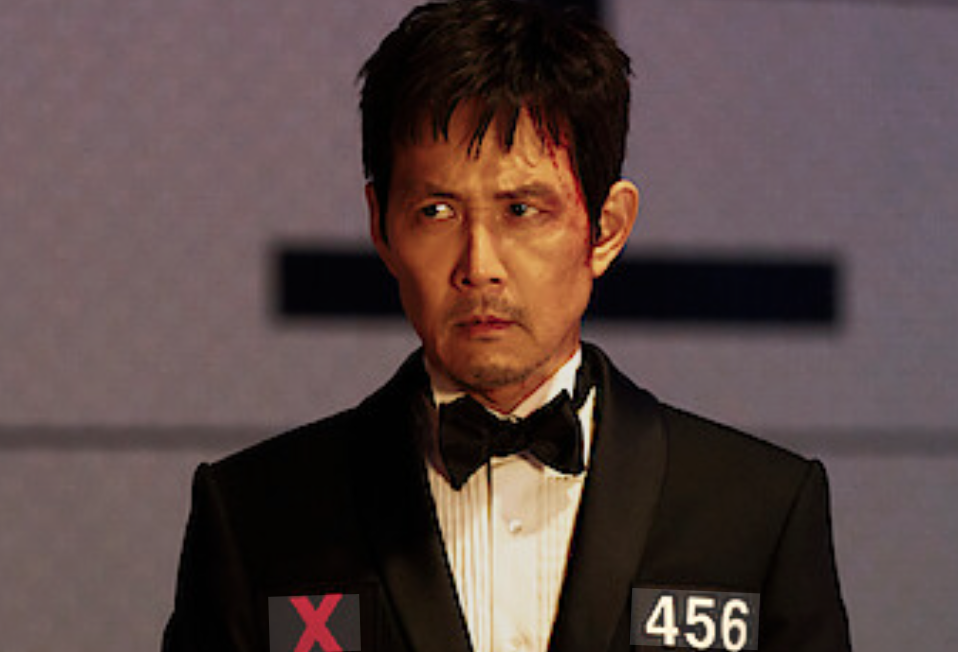
It very nearly jumped the shark with the baby plot line, which stretched credulity to breaking point on several occasions, but then the programme has always been a soapy melodrama masked by constant violence and competition pressure. The finale was suitably grim and that sting in the tail was particularly delectable, but I’m not that keen on the US remake that’s about to start production - even if it is being written by Dennis Kelly and directed by David Fincher - there’s only so much bleak killing for sport one can take.

The Eternaut
Another delightfully dystopian tale, this time set in Argentina, playing out through the lens of the country’s political climate, as collectivism in the face of disaster is seen by some as a shot against the new rightwing government. The show is based on a 1950s comic strip of the same name, which proved eerily predictive of the civil unrest and lurch into authoritarianism. The fictionalised version of events sees unrest stemming from a mysterious deadly snow, while in real life it was in response to a military dictatorship, but the effects are similar: paranoia and vigilantism.
Stranger Things
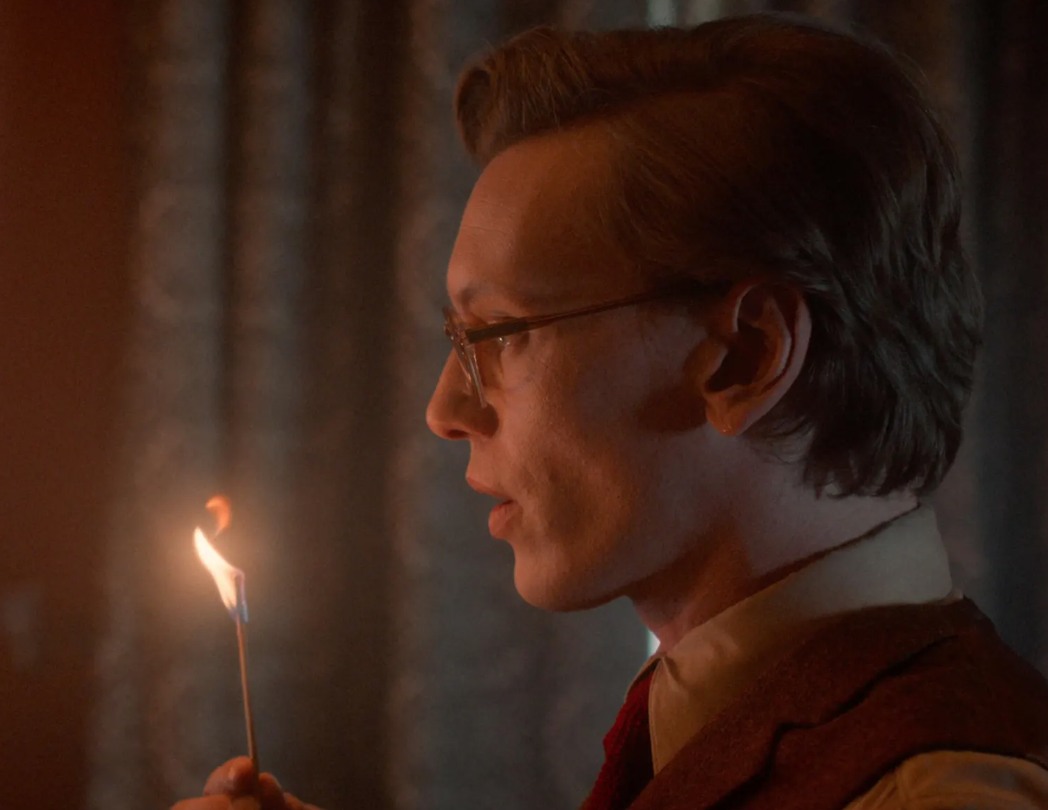
One of these annoyingly stretched out final seasons means that I can’t fully sign-off on this series, as the big finale is on the 1st of January for UK viewers. My feeling after the first couple of episodes was that the Duffers had run out of ideas - and while there was still fun and fear to be had - I think I'm sticking with that. I have, in the past, really liked this show, but it just seemed like more of the same goodies, same baddies, same up, same down, same tensions, terrors, improvised solutions and plot progression. The only major change appeared to be how obvious it is that the actors are no longer anywhere near their teens. I’m not saying this one last adventure wasn’t watchable, but I’d be surprised if I’m surprised how it ends. Here’s hoping they stick the landing.
Similar/honourable mention: The Handmaid’s Tale
Also finally finale’d is June Osborne’s struggle against Gildead. The penultimate episode was almost worth the slog of the previous seven, with all her thwarted rebellion finally coming to a head - enjoyably cathartic stuff. But that made the parade of loose end tie ups in the last episode all the more disappointing - so much gratuitous slo-mo and tedious monologues and lingering emotional close-ups.
Andor
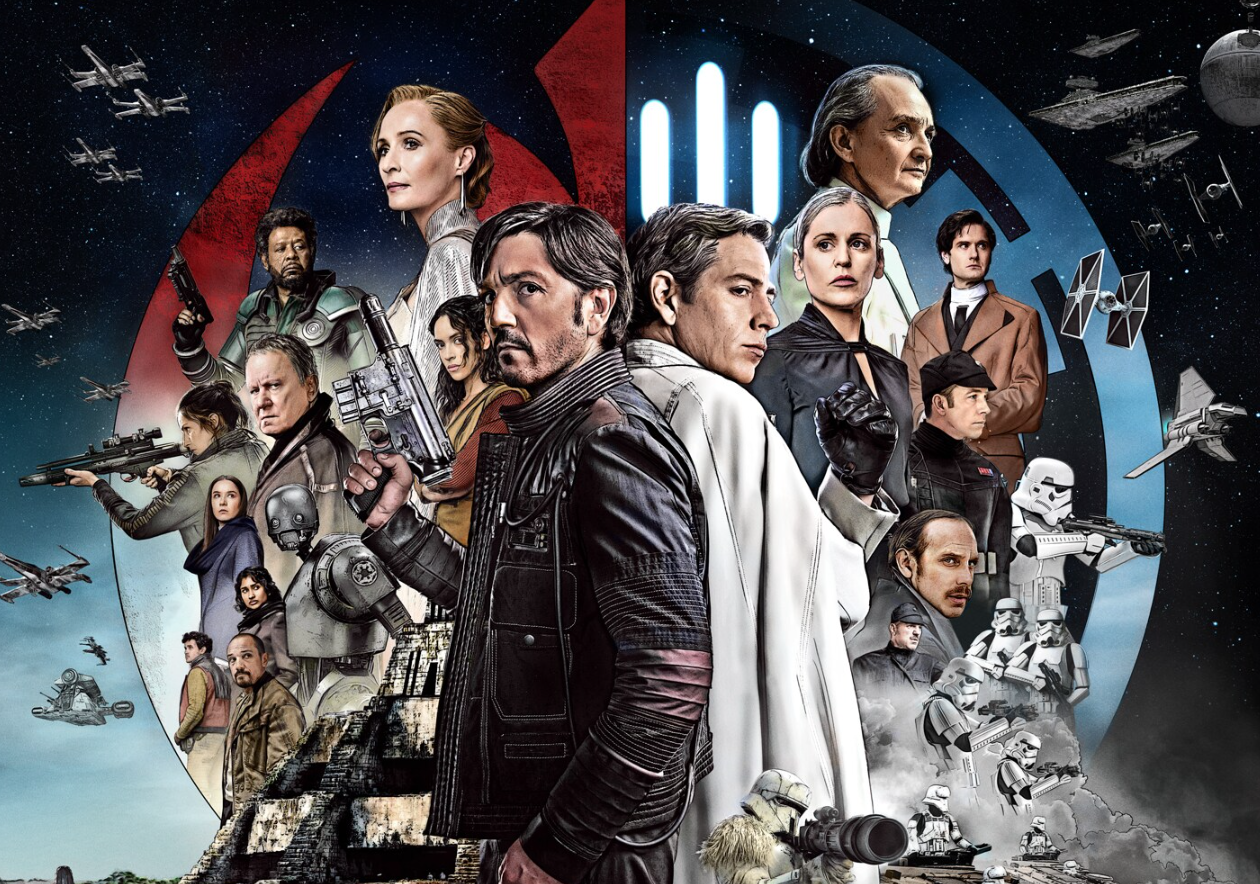
The second series was slow, dialogue-heavy and action-light - but that approach is quite unique and refreshing within the Star Wars universe. Taking time to really build characters you care about and develop complex storylines did eventually pay off, as the consequences for both sides during the final few episodes felt all the more important. A lot has been said about the show’s timing, given its theme of rebellion against dictatorship, and it was certainly satisfying watching the various Imperial dweebs get their comeuppance, but also right and proper that the difficulty of resistance was demonstrated - even if it did occasionally get a bit bogged down in Clone Wars-style galactic administration chat.
The Bear
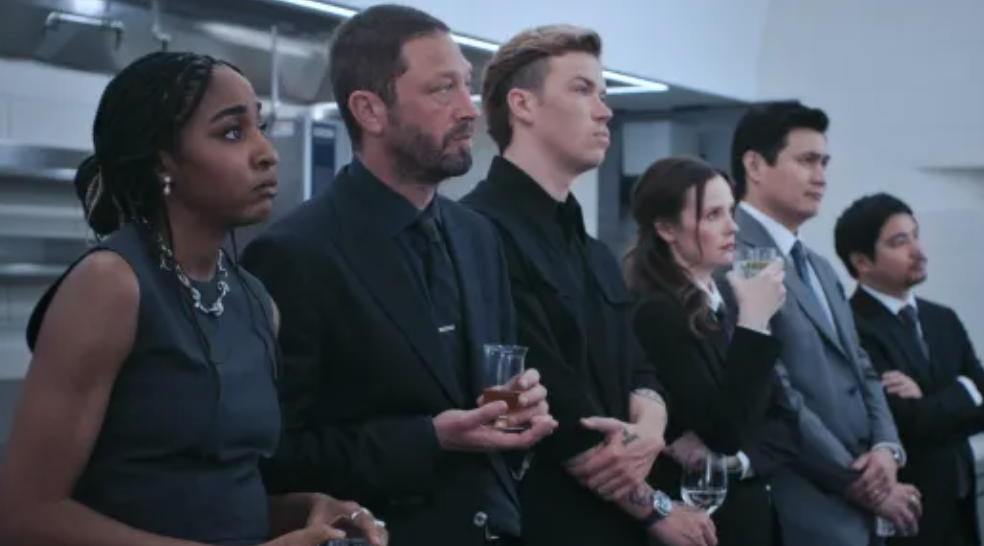
I’ve said it before, I’ll probably say it again - I could do without the American rock soundtrack and Chicago tourist board intervening shots - but when this show concentrates on its best characters, it really shines. The Bear is at its best when it’s letting them enjoy the script, oftentimes being really funny, but also - like in that superb final episode - giving some fine actors the space to really do their thing.
Louis Theroux: The Settlers
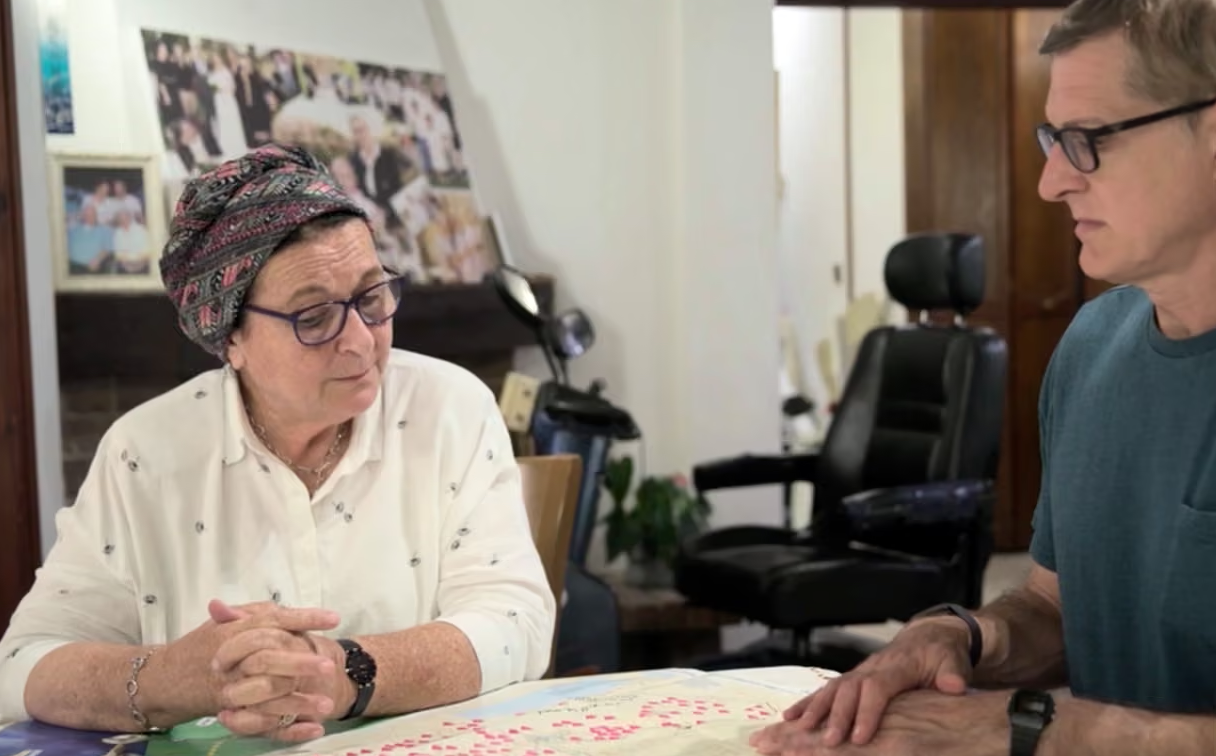
With less eyebrows and more world weariness, Louis revisits the occupied West Bank and a show he did there previously on the Israeli settlers. He generally maintains that trademark impassivity in the face of consistent intimidation and maddening religious fundamentalism, but in a later conversation with the so-called godmother of the movement, Louis finally broke and called her what she clearly is; a sociopath.
Similar/honourable mention: Gaza: Doctors Under Attack
Finally broadcast in the UK by Channel 4 - where the BBC baulked - and it seemed journalistically rigorous to me, giving the IDF its right to reply, but using on-the-ground footage and interviews with those involved to evidence the systematic targeting of hospitals and medical workers in Gaza. Obviously it’s very hard to watch at times, but as I seem to have written a lot this year, it feels like one of the small things we can do is bear witness, tell as many people as possible to watch too and try to raise viewing figures to send some kind of message.
How Are You: It’s Alan (Partridge)
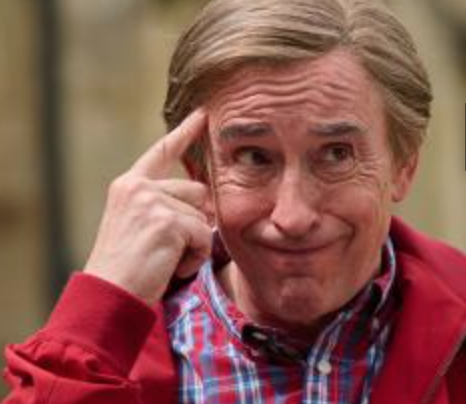
My favourite on-screen character returns, this time tackling the thorny issue of mental health, with all the sensitivity and insight you’d expect from such a seasoned presenter. Almost every scene has something delightful in it, from little facial expressions and mannerisms, to perfectly-sculpted throw-away lines; his new girlfriend, to his old assistant. Partridge has been going so long that there are now so many layers and so much lore, which the Gibbons brothers seem to be well soaked in, ably taking the helm from Iannucci and his team a few years back. It’s also nice that Steve Coogan has embraced the character again in recent years, because Alan really is the gift that keeps on giving.
The Last of Us
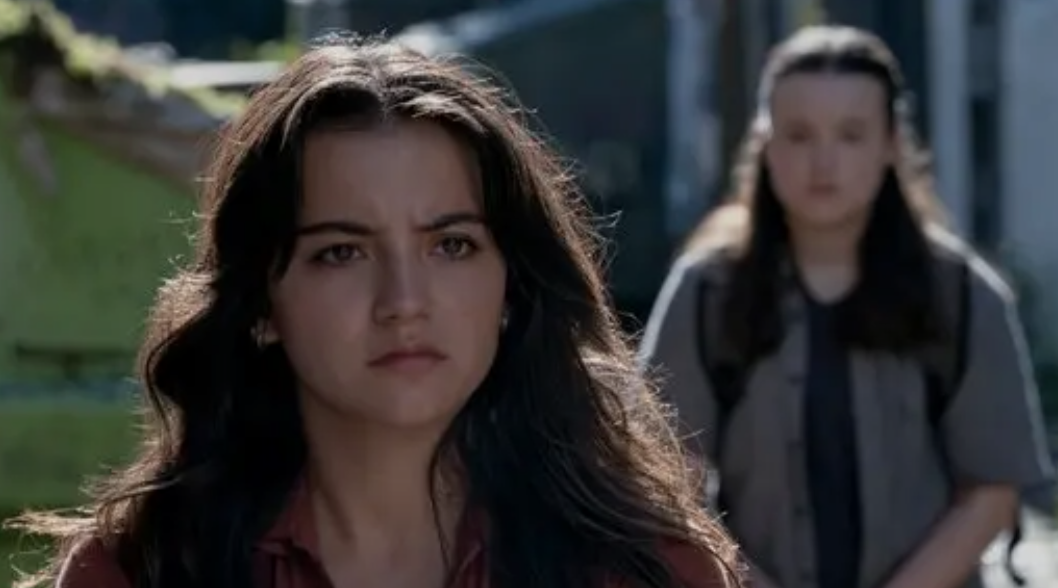
The second series started fairly slowly, given the hectic end to the brilliant first. That all changed during the second episode though, which provided a pretty brutal and dramatic death that, of course, wasn’t that much of a surprise to those who played the game; but timing-wise does make things interesting in terms of who fills the gap left by such a pivotal role. Fallout’s second season has just popped up for its second season in the last few weeks, again providing an interesting counterpoint in how to approach a post-apocalyptic game adaptation, but that doesn’t take anything away from The Last of Us’ grand ambition, boldness of storytelling and blood-pumping action sequences.

Adolescence
Despite coming to it late and laden with the weight of expectation, this was in many ways better than I was expecting. Firstly, the technical aspects: doing a roughly hour-long single take is an impressive feat, and it was done pretty seamlessly, but also not in a flashy way that took you out of the story; maybe apart from wondering how they did that drone finish in the second episode. Crucially, the effect really ratchets up the intensity of what is already a stressful show, and the forced immersion makes the pressure points all the more impactful. The downside is that each of the four episodes are somewhat tied to locations and groups of characters, which while they each make sense to progress the plot, do mean that many promising storylines and interesting people are forced into being forgotten.

Severance
From the brilliant intro visuals and theme song, to the set dressing and period tech attention to detail, all credit to Ben Stiller and Dan Erickson (plus many more I haven’t bothered to IMDB) for making one of the most weird and wonderful things on the box. It just looks and sounds like nothing else - sumptuously stylised, but with just enough substance to get away with it. I can only imagine all the Easter eggs I’m missing, but despite the strangeness of the setup and how many unanswered questions remain, its central theme of the balance between a person’s home and office life still make the show accessible enough for the more casual viewer.
Pluribus
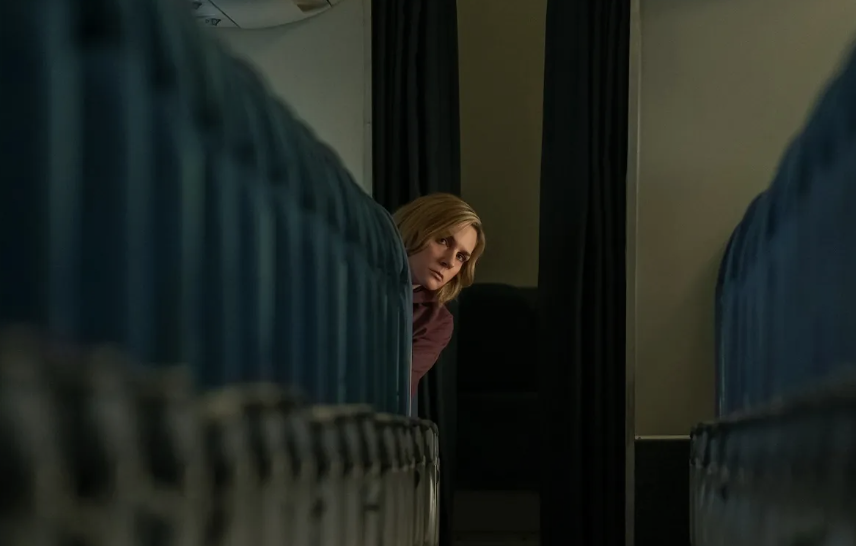
A late entry, but Vince Gilligan has done it again. The plot is pure sci-fi, but he brings in trademarks like the slow, beautiful, tangentially-related intros, the wonderful Rhea Seahorn and good old Alberquerue. This is an alien invasion tale, but not like you’ve ever seen before. They come in peace and (fairly) painlessly take over all but 11 people on the planet, with the rest becoming a hive mind of happy, helpful humanoids. It’s an allegory for artificial intelligence of course, exploring the idea of a collective consciousness, the loss of individuality and potential dangers of ubiquitous knowledge, reinforced by the explicit ‘this show was made by humans’ disclaimer in the credits. In that sense it feels like just the right statement at just the right time, but I’ve been quite happily ignoring the subtext and just enjoying another weird little world he’s built.